How Tech Can Equalize the Paying Field


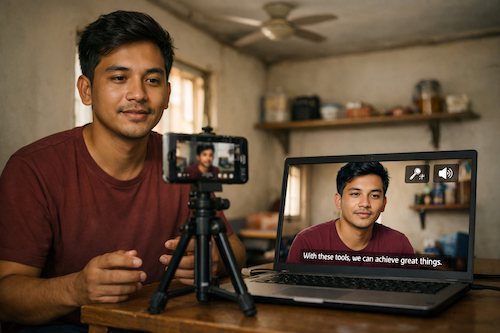
Around the world, where you are born still shapes your chances in life. But more and more, software and AI tools are giving people in poorer countries ways to compete with those in richer ones — especially in creative, remote and digital work.
Below are some examples of how technology is helping to equalize the playing field.
1. Video quality enhancer
Until recently, creating professional-looking video usually required expensive cameras, powerful computers and a fast internet connection. That meant people with older phones or weaker hardware were locked out of global video markets.
Today, tools like video quality enhancer can upscale low-resolution, noisy or shaky footage into high‑quality video. This means:
- Someone filming with an older, less powerful phone can still deliver crisp HD (or even 4K‑like) results.
- Creators in countries with higher device costs can compete visually with creators using top‑tier equipment.
- Small local businesses can make professional ads or product demos without hiring an expensive studio.
When video looks good, people are more likely to watch, share and buy — which directly impacts income opportunities.
2. Audio enhancer
Audio quality used to depend heavily on good microphones, soundproof rooms and professional editors. If you were recording in a noisy or echoey space with a basic phone, your podcast or video would sound “cheap” next to studio productions.
Now, with AI‑powered tools, you can record almost anywhere and still sound like a pro. For example, even with a poor‑quality phone in a noisy or echoey room, you can get studio quality audio using AI tools like Adobe’s audio tools, Podsqueeze or Audio Enhancer.
These tools can:
- Remove background noise and echo.
- Balance volume levels automatically.
- Make voices sound clear, warm and consistent.
For creators, coaches, teachers and entrepreneurs in lower‑income countries, this means they can sell courses, podcasts, YouTube content or voice services to global audiences without needing expensive gear.
3. Podsqueeze for global podcasts
Podcasting is one of the easiest ways to share ideas with the world, but producing a high‑quality show can be time‑consuming and expensive — especially if you don’t have a team or advanced tools.
With AI tools like Podsqueeze, a single creator can:
- Turn long podcast episodes into summaries, show notes and social media posts in minutes.
- Automatically generate attractive titles, descriptions and timestamps.
- Create short video clips and highlights that work well on TikTok, Reels or YouTube Shorts.
This means a podcaster with only a basic microphone and laptop in a poorer country can reach global audiences and look just as professional online as bigger, better‑funded shows, without needing to hire writers, editors or marketers.
4. Online learning platforms and micro‑credentials
Access to elite universities has always been unequal. But today, high‑quality education is far more accessible through online platforms and micro‑credential programs.
With a basic internet connection, people can:
- Learn in‑demand digital skills like programming, data analysis, design or marketing on platforms such as Coursera, edX or Khan Academy.
- Follow practical tech paths on sites like freeCodeCamp or affordable courses on Udemy.
- Earn career certificates from programs like Google Career Certificates or other industry providers that are recognized by employers around the world.
- Build portfolios and projects that prove real skills, regardless of where they studied.
This lets motivated learners from under‑resourced schools close the skill gap and compete for global remote jobs and freelance work.
5. No‑code and low‑code tools
Building software used to require a full team of engineers. For entrepreneurs in poorer countries, that often made launching a tech idea nearly impossible.
No‑code and low‑code platforms change this by allowing people to:
- Create web apps and mobile apps with visual builders like Bubble, Glide or Adalo.
- Design professional websites and landing pages using Webflow or simple website builders.
- Automate repetitive tasks and connect services using tools like Zapier or Make.
- Test ideas quickly without big up‑front investment and build tools that solve local problems — and then sell them globally.
This enables local founders to create real digital products and businesses, even if they don’t have advanced programming skills or access to big funding.
6. Remote work and global freelance platforms
Finally, remote work platforms have opened the door for talent to be paid based on skills, not location.
Developers, designers, writers, marketers and virtual assistants can now:
- Offer their services to clients worldwide.
- Be paid in stronger currencies, increasing their local purchasing power.
- Build long‑term client relationships and sustainable remote careers.
Combined with tools like video and audio enhancers, translation, online learning and no‑code builders, a person with only a modest phone and an internet connection can build a global‑facing career or business.
Technology alone can’t fix every structural inequality. But when powerful tools are accessible from anywhere, they give millions of people a fairer chance to learn, create, and earn — no matter where they live.
